

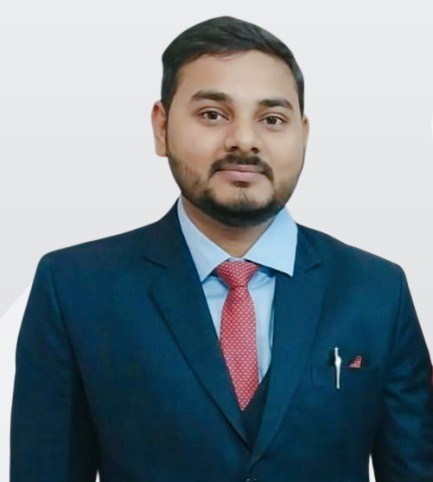
DR. SHUBHAM YADAV
Specialist (Analytical) & Head of the Division (CSG)
Research Areas
Chemical Weapons Convention (CWC)
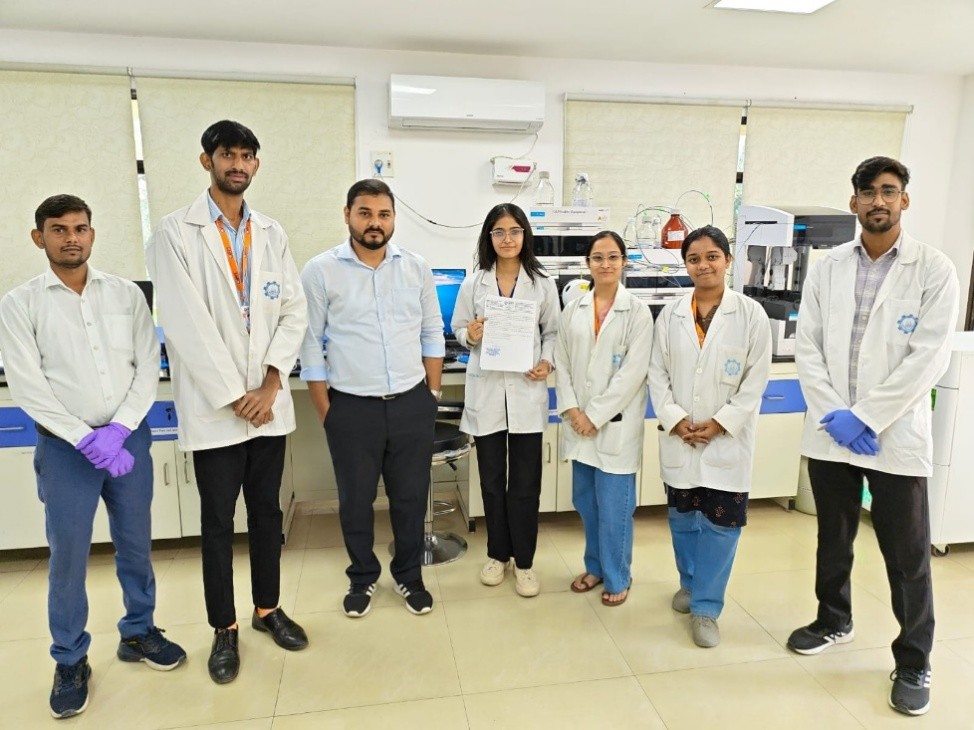
Research and development on chemical safety and regulatory science, including micro-synthesis of CWC-related chemicals and their degradation products to support national and international obligations under the Chemical Weapons Convention (CWC).
Advanced mass spectral and analytical studies
Advanced mass spectral and analytical studies using state-of-the-art techniques for accurate identification, characterisation, and confirmation of scheduled chemicals, residues, and environmental contaminants.
Participation in OPCW Proficiency Testing (PT)
Participation in OPCW Proficiency Testing (PT) programmes to maintain and demonstrate international analytical competence in the analysis of CWC-related chemicals.
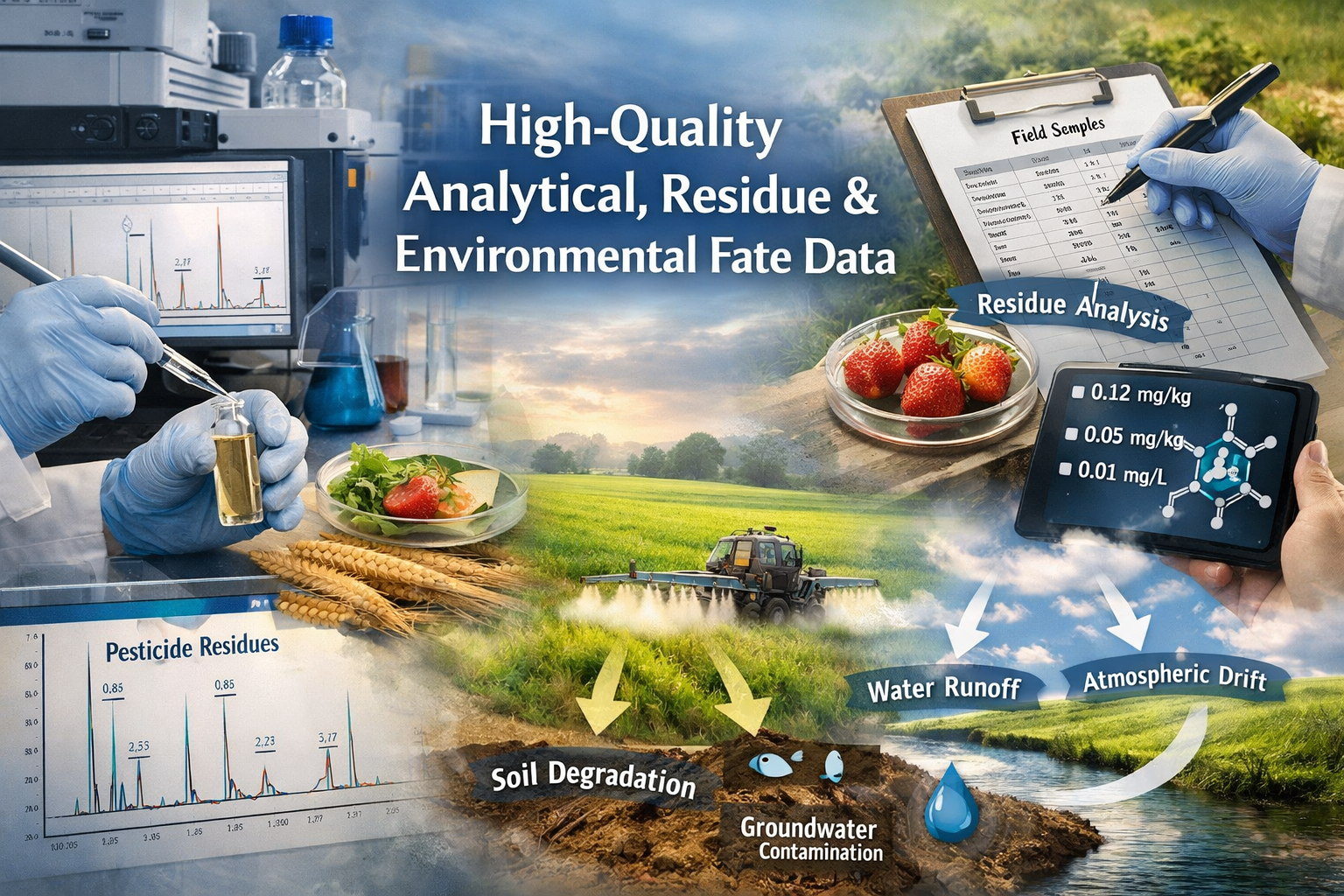
Generation of high-quality analytical, residue, and environmental fate data
Generation of high-quality analytical, residue, and environmental fate data to support regulatory submissions, chemical risk assessment, and human health protection.
Extension of chemical safety knowledge and best practices
Extension of chemical safety knowledge and best practices through skill development programmes, collaborative research, and liaison with national and international regulatory and scientific organisations to promote sustainable chemical management.
Group Head
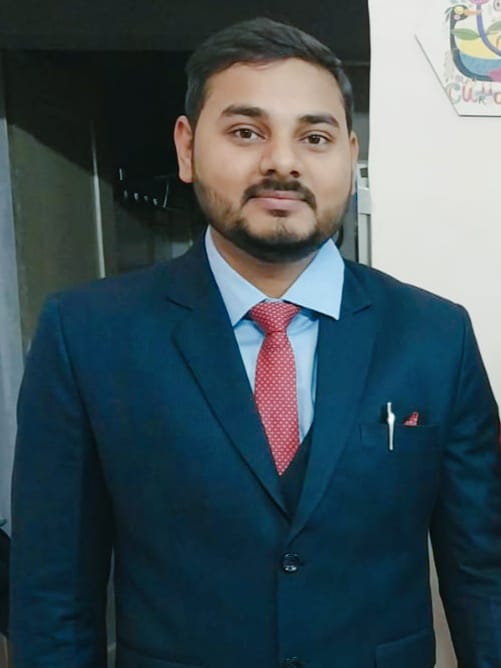
Dr. Shubham Yadav
Specialist (Analytical) and Head of the Division (CSG)
Email: Shubham.yadav31@gov.in
Scientific Staff
Ph.D Students
Project Personnel
Interns / Trainees
Alumni
Research and Development (R&D)
The Chemical Safety Group (CSG) undertakes focused research and development activities in the domain of chemical safety, regulatory science, and analytical chemistry, with particular emphasis on chemicals related to the Chemical Weapons Convention (CWC). The Group has carried out micro-synthesis of 51 reference materials pertaining to Chemical Warfare Agents (CWAs), their precursors, and degradation products. These materials were comprehensively characterised using GC–MS under Electron Ionization (EI) and Chemical Ionization (CI) modes, supported by high-resolution mass spectrometry (LC-HRMS, Orbitrap) for accurate mass measurement and structural elucidation. The generated analytical data support chemical identification, confirmation analysis, and forensic interpretation in compliance with international standards.
Mass Spectral Studies and Analytical Characterisation
The Group conducts advanced mass spectral studies to generate reliable fragmentation patterns and spectral libraries for CWC-related chemicals. Analytical investigations are performed using GC–MS (EI/CI) and LC-HRMS (Orbitrap) platforms to ensure high confidence in compound identification. These studies contribute to method development, validation, and confirmation analysis for regulatory, forensic, and proficiency testing applications.
OPCW Proficiency Testing and Quality Assurance
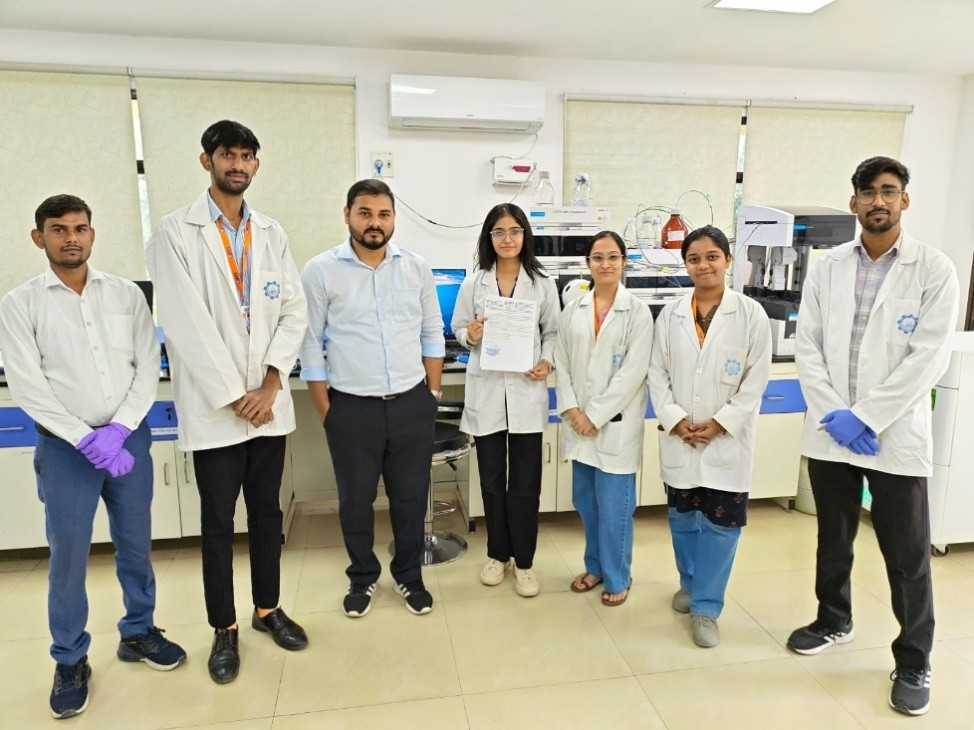
The Chemical Safety Group actively participates in Official Proficiency Tests (PTs) conducted by the Organisation for the Prohibition of Chemical Weapons (OPCW), The Netherlands, to benchmark analytical performance against international laboratories. The Group successfully participated in the 58th OPCW Environmental Proficiency Test, correctly identifying all spiking chemicals listed by OPCW. All analytical activities are carried out in accordance with established quality systems aligned with DSIR-SIRO recognition, NABL (ISO/IEC 17025), and OECD-GLP principles, ensuring data integrity and international acceptability.
Analytical Skills Development and Training
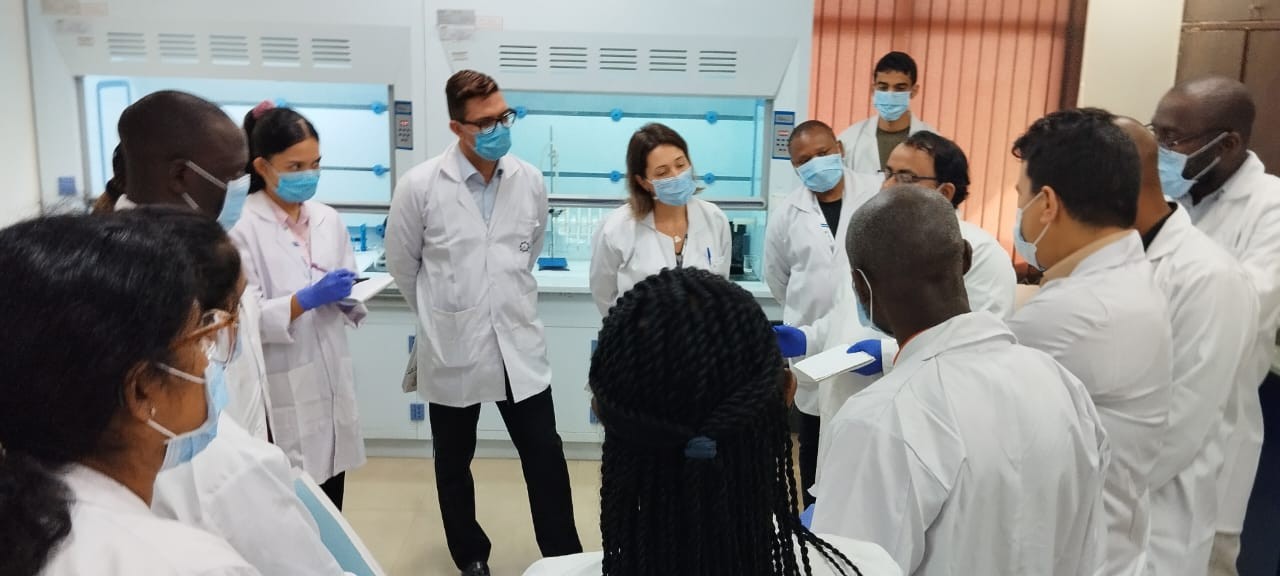
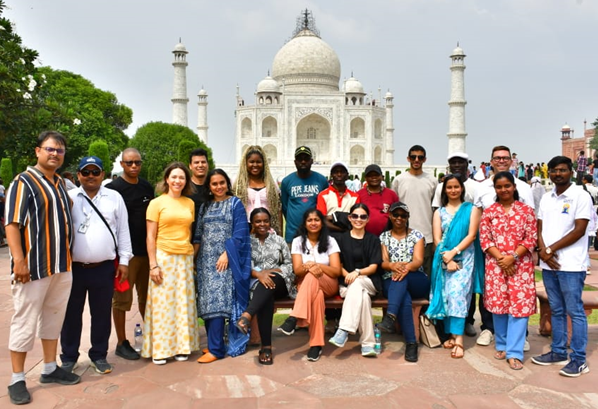
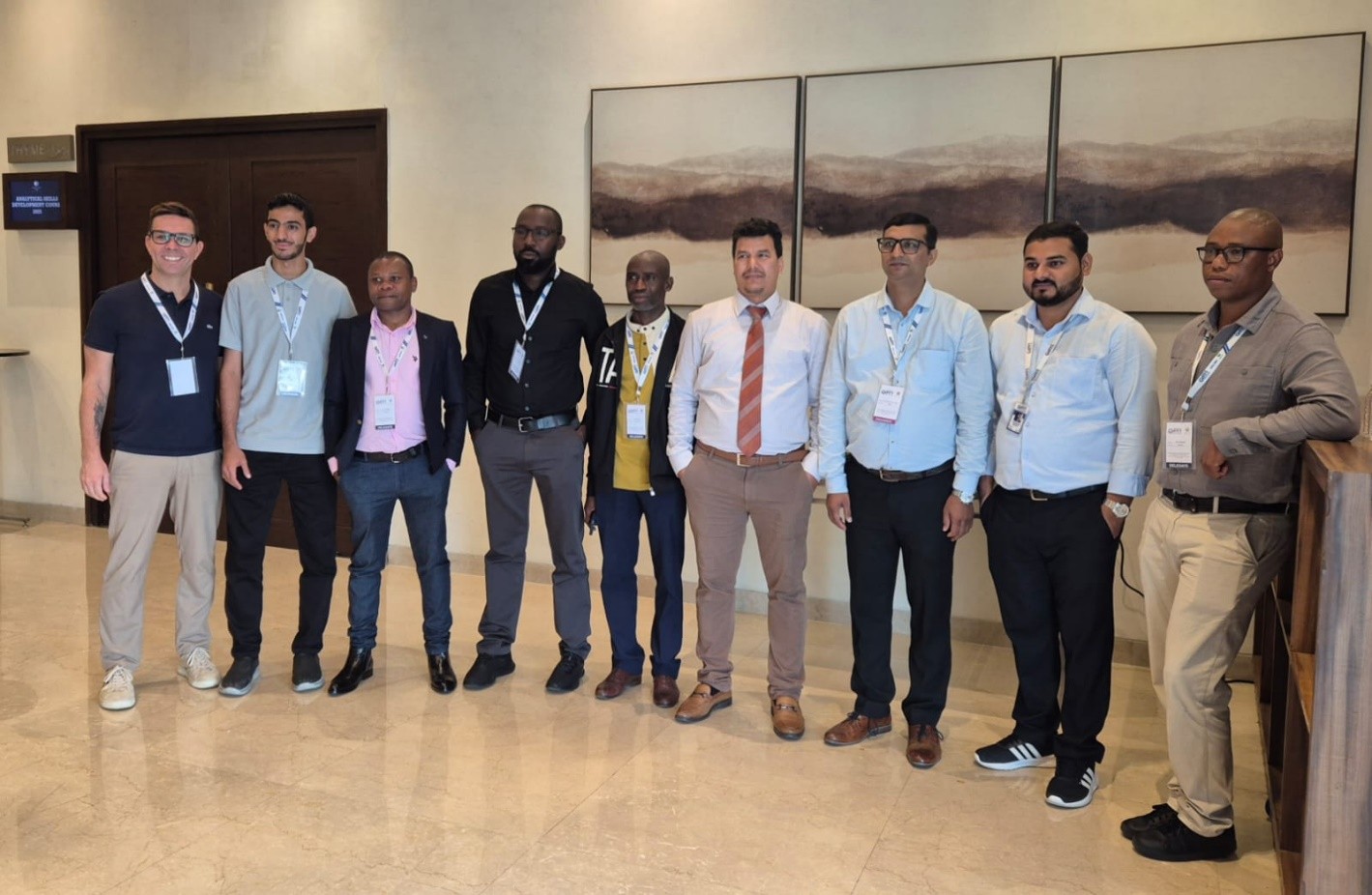
The Group plays a key role in capacity building and skill development through the organisation and delivery of the Analytical Skills Development Course (ASDC) sponsored by OPCW. These courses provide hands-on training in advanced analytical techniques, laboratory best practices, quality assurance, and chemical safety protocols. The ASDC 2025 programme was conducted with participation from international delegates, enhancing global cooperation and strengthening analytical capabilities in CWC-related analysis.
Human Resource Development and Student Guidance
The Chemical Safety Group contributes significantly to human resource development by guiding Ph.D., M.Sc., and M.Pharm students in dissertation and doctoral research. Several postgraduate students have successfully completed their dissertation work, while others are currently pursuing ongoing research projects under the supervision and co-supervision of the Group. Student research focuses on micro-synthesis, analytical method development, and mass spectrometric characterisation of CWC-related chemicals, providing hands-on exposure to GC–MS (EI/CI), LC-HRMS (Orbitrap), FTIR, and NMR techniques.
Scientific Output and Outreach
The Group actively disseminates its research outcomes through peer-reviewed research publications, books, book chapters, conference abstracts, invited lectures, and symposia related to chemical safety and security. Members of the Group have also played key roles in organising national-level symposia and industry interaction programmes, contributing to awareness generation and knowledge exchange among scientists, regulators, and industry stakeholders.
Completed
Analytical Skills Development Course (ASDC), sponsored by the Organisation for the Prohibition of Chemical Weapons (OPCW), The Netherlands (Project cost: Rs. 132 lakh).
Ongoing
Selected Publications
-
Yadav, P., Jagadish, M. V., Thukral, P., A, A., Singh, M. K., Yadav, S., & Mudiam, M. K. R. (2026). Characterization of Amidine Based Degradation Products of Novichok A-Series Nerve Agents Using Single Quadrupole GC-MS. Rapid Communications in Mass Spectrometry.
-
Jagadish, M. V., Singh, M. K., Yadav, S., Kumar, A., & Mudiam, M. K. R. (2026). Mass Spectral Fingerprinting of Chemical Weapons Convention-Relevant Sulfur-Oxygen Heterocyclic Alkylphosphonate Esters by EI and PCI GC-MS. European Journal of Mass Spectrometry.
-
Vaishalli, Yadav, S., Saini, V., & Verma, P. (2025). Impact of pesticide exposure on lifestyle disorders: multisystemic perspective. Biochemical and Cellular Archives.
-
Thukral, P., Yadav, P., Jagadish, M. V., Jatan, S., Chain, M., Singh, M. K., & Yadav, S. (2025). Chemical Footprints of Sulfur Mustard: GC-MS Profiling of Methylated Degradation Products. European Journal of Mass Spectrometry. Sage. https://doi.org/10.1177/146906672513788
-
Narwala, S., Singhal, S., Yohan, T., Yadav, S.*, & Alam, S. (2025). Single laboratory validation of UFLC method for quantification of chlorantraniliprole in granule and deltamethrin in suspension concentrate formulations. Pesticide Research Journal, 37(1), 26–29. https://doi.org/10.5958/2249-524X.2025.00005.3
-
Sharma, V., Yadav, P., Thukral, P., Jagadish, M. V., Singh, M. K., & Yadav, S. (2025). Method for simultaneous determination of monocrotophos and dimethyl phosphate in human biofluids. AATCC Reviews, 13(04), 840–846. https://doi.org/10.21276/AATCCReview.2025.13.04.840
Opportunities
Students interested in pursuing a Internship in our lab can send their CV to shubham.yadav31@gov.in